Home Blog Page 5

Smoking and Vaping: How They Stain Teeth and Damage Gums Over Time

0

Smoking ke teeth pe effects sabko pata hain, lekin vaping ko log “safe” samajh ke lightly le lete hain. Dono hi mouth environment ko unhealthy bana sakte hain, bas tareeke thode alag hote hain.

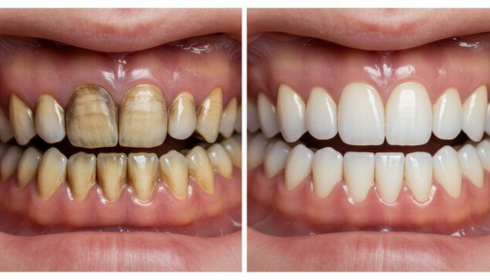
Cigarette smoke me tar aur nicotine hota hai jo enamel surface pe sticky brown–yellow stains banata hai. Ye stains regular brushing se easily nahi nikalte; professional cleaning ki zaroorat padti hai. Smokers me plaque buildup zyada hota hai, jisse gum disease risk bhi increase hota hai.

Vaping me combustion nahi hota, par e-liquids me flavouring, chemicals, aur nicotine combination gums aur tissues ke liye friendly nahi. Dry mouth, irritation, aur kabhi-kabhi cell level changes ka risk discuss kiya jata hai. Long-term impact abhi study me hai, but early signals very reassuring nahi hain.

Dono habits blood flow ko affect kar sakte hain, jisse gums ka natural healing process slow ho jata hai. Iska matlab dental treatment ke baad recovery late, implants/jaw surgeries ka success rate down, aur gum disease jyada aggressive ho sakta hai.

Ye sab sun ke log kehte hain “ab to late ho gaya”. But quitting ya reduce karna kisi bhi stage pe benefit laata hai – breath better, stains kam, taste improve, aur gums ko recover karne ka chance milta hai. Dentist extra cleaning, counselling aur quit-support resources ka link ban sakta hai.
Why Treating Cavities in Milk Teeth Matters Even Though They Fall Out

0

Bahut parents sochte hain, “Ye to milk teeth hain, waise bhi gir jayenge, filling ki kya zaroorat?” Ye logic tempting lagta hai, but actually bacho ke overall dental health ke liye risky ho sakta hai.

Milk teeth ke peechhe important roles hote hain:

  • Proper chewing, jisse nutrition better absorb hota hai.
  • Clear speech development.
  • Permanent teeth ke liye correct space hold karna.

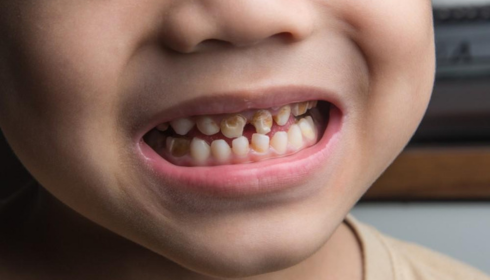
Agar cavity untreated rahe, to dard, infection, swelling, ya pus jaisa serious issue ho sakta hai. Bachcha khana avoid karega, sote waqt ro sakta hai, school concentration down ho sakta hai. Kabhi-kabhi infection root ke through neeche ke developing permanent tooth tak bhi effect dal sakta hai.

Early loss of milk tooth space ko kharab kar deta hai. Side ke teeth us jagah me tilt ho sakte hain, jisse permanent tooth ko jagah kam milti hai, crowding aur alignment problems increase ho sakte hain. Later braces ke chances yahan se bhi born hote hain.

Small cavity usually simple filling se manage ho jati hai. Agar ignore ki to treatment root canal-type baby tooth procedure ya extraction tak pahunch sakta hai – jo child ke liye bhi tougher hota hai, parent ke liye bhi.

To haan, milk teeth temporary hain, lekin unka care long-term smile ke groundwork ka part hai.

Interdental Brushes vs Floss for Braces: Best Way to Clean Around Wires

0

Braces lagte hi brushing level up karna padta hai. Normal brush se sirf front surface clean hoti hai; brackets, wires aur tight gaps ke beech me food easily atak jata hai. Yahi reason hai ke interdental brushes aur flossing tools braces patients ke best friends ban jaate hain.

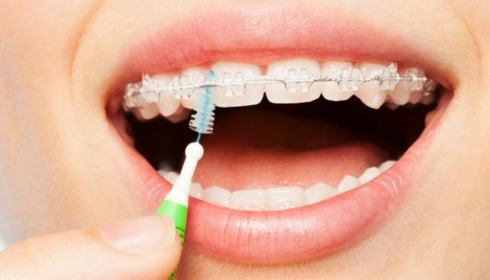
Interdental brushes chhote bottle-brush jaise lagte hain. Ye brackets ke neeche, wire ke around, aur bigger gaps me ghus ke food aur plaque nikalne me bohot effective hote hain. Specially braces ke time ye zyada practical lagte hain, kyunki normal floss thread se har gap me jaana time-taking aur frustrating hota hai.

Floss bhi important role play karta hai – especially un tight contacts ke beech jaha brush nahi jaa paata. For braces, floss threaders ya superfloss jaisa design use hota hai, jisse wire ke neeche se floss slide karke normal tareeke se clean kiya jata hai.

Simple rule: bigger spaces, brackets ke aas-paas = interdental brush. Tight gaps = floss. Dono ka combo best hai. Start me 10–15 minute lag sakte hain, par thoda practice se routine faster ho jata hai.

Agar cleaning weak rahi to braces ke saath hi cavities, white spots, bleeding gums ka paket free mil sakta hai. Thoda extra mehnat ab karoge, to braces remove hone ke baad smile aur teeth dono healthy dikhte hain.

Thumb Sucking and Pacifier Use: How Long Is Safe for Children’s Teeth?

0

Thumb sucking and pacifiers usually start as a cute self-soothing habit. Problem tab banta hai jab yeh habit bahut lamba chalta rahe, especially jab permanent teeth aa rahe hote hain. Gentle sucking in the first few years is often harmless, but strong, long-term sucking pressure front teeth ko aage push kar sakta hai, jaw shape ko bhi thoda affect kar sakta hai.

Generally, doctors try to see the habit reduce by around age 3–4. Uske baad agar child still strongly dependent hai, teeth me gaps, open bite (jab front teeth band nahi ho paate), ya speech difficulty jaisa pattern dikhe, to attention dena zaroori ho jata hai. Pacifier se thumb sucking pe shift kabhi-kabhi helpful hota hai, kyunki pacifier ko gradually “retire” karna easier hota hai.

Parents ke liye zyada scolding ya shaming reverse effect la sakta hai. Instead, soft reminders, positive rewards, bedtime stories, aur distraction techniques use karo. Raat ko child so jaane ke baad gently thumb hatana bhi small step hai.

Agar habit bohot stubborn ho, dentist ya paediatric dentist se consult karo. Wo simple behaviour tips, kabhi-kabhi small habit-breaking appliances bhi suggest kar sakte hain. Aim hai comfort ko respect karna, lekin growing teeth ko unnecessary pressure se bachana.