Home Blog Page 3

Physiotherapy After Ankle Sprain: Why “Just Resting” Is Not Always Enough

0

Ankle sprain log usually “sirf moch” bolke ignore kar dete hain. Thoda dino ki rest, ointment, aur bandage ke baad bas chalna start kar dete hain. Problem ye hai ke ligament stretch ya tear ke baad agar proper rehab na ho, to chronic instability develop ho sakta hai.

Initial phase me RICE (rest, ice, compression, elevation) helpful hota hai swelling aur pain ke liye. Lekin yeh sirf first step hai. Jaisa-jaisa pain thoda kam hota hai, physiotherapist gentle range of motion exercises introduce karta hai – jaise ankle circles, alphabet tracing, etc. Taaki joint stiff na ho.

Phir strengthening phase aata hai – calf raises, resistance band exercises, and later single-leg balance drills. Yeh sab ankle ke support muscles ko strong banate hain. Balance training (proprioception) particularly important hai, kyunki sprain ke baad brain–ankle coordination thoda disturb ho jata hai.

Sirf rest pe rely karne se short term me dard kam lag sakta hai, lekin few months later light uneven floor ya staircase pe fir se sprain ho sakta hai. Har baar injury aur ligament laxity ko badha sakti hai.

Proper physio plan se tum wapas sports, running, ya daily activities me confidence ke saath aa sakte ho. Agar severe swelling, deformity, ya weight-bearing impossible ho initially, to fracture rule-out ke liye doctor visit urgent hota hai.
Nebuliser Use at Home: Common Mistakes Parents Make with Kids’ Breathing Treatments

0

Nebuliser machine dekhke parents thoda secure feel karte hain – “ghar pe chhota hospital setup hai.” Lekin wrong usage se medicine effect kam ho sakta hai ya infection risk badh sakta hai. Thode simple points follow karna bohot difference la sakta hai.

Sabse pehle, nebuliser solution ko doctor ke instruction ke exact hisaab se use karo. Jo medicine aur saline ratio prescribed hai, usko random adjust mat karo. Kabhi-kabhi log other family member ka old prescription reuse kar lete hain, jo safe nahi.

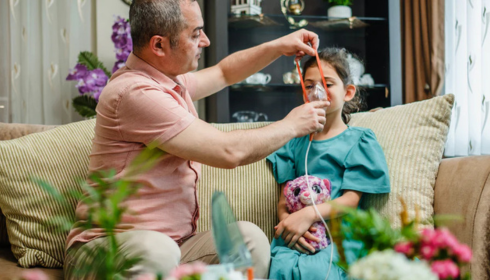
Mask or mouthpiece child ke face pe snug hona chahiye; agar half-air bahar ja rahi hai to medicine lungs tak kam pahunchti hai. Treatment ke time child ko normal, deep breaths lene doge to better deposition hota hai – crying se airflow pattern change ho jata hai.

Cleaning bohot important hai. Nebuliser cup, mask, tubing ko manufacturer instructions ke according har use ke baad wash aur dry karo. Damp, dirty parts bacteria ka ghar ban sakte hain.

Nebuliser emergency ke time helpful hai, lekin har chhoti si sardi pe use karna zaroori nahi. Regular follow-up me doctor se discuss karo ke kab use karna hai, kitna frequent, aur kis sign pe hospital jaana better hoga.

Iron Infusions vs Tablets: When Doctors Choose Drips Instead of Pills

0

Iron deficiency anaemia ke liye sabse common treatment hota hai iron tablets – daily pills or syrups jo gradually iron stores refill karte hain. Lekin kuch cases me doctor iron infusion (drip ke through iron dena) prefer karte hain.

Tablets convenient hain, par unke side effects – constipation, dark stools, nausea, acidity – se log dose skip ya band kar dete hain. Kabhi-kabhi gut absorption proper nahi hota (certain diseases, surgeries, or interactions ke wajah se), jisse despite pills, levels upar nahi jate.

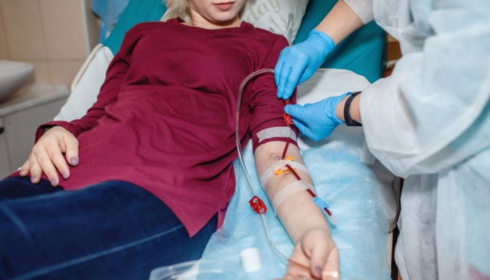
Infusion me controlled environment me vein ke through iron diya jata hai. Benefit ye hai ke ek–do sessions me hi large dose deliver ho sakta hai, jo severe anemia ya pre-surgery quick correction ke liye useful hota hai. Patient jinko pills tolerate nahi ho rahe, unke liye bhi yeh option consider kiya jata hai.

Infusion completely risk-free nahi; allergic reactions, temporary flu-like symptoms ya BP changes possible hote hain, isliye hospital/clinic setting me monitoring ke saath kiya jata hai. Doctor tumhari history, current haemoglobin, ferritin levels, aur overall health dekh ke decide karta hai kaunsa route best rahega.

Self-decision se kabhi bhi “drip better lagta hai” sochkar demand nahi karna chahiye. Right patient + right indication pe infusion very helpful tool ban sakta hai.

Dental Sealants for Kids: How Protective Coatings Help Prevent Future Cavities

0

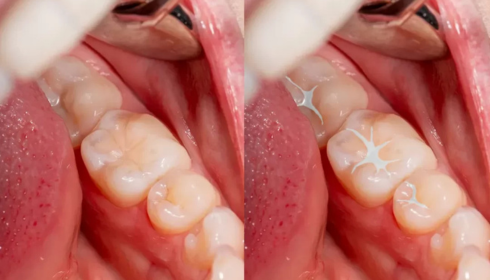
Bacho ke back teeth (molars) ke chewing surface par deep grooves hote hain. In grooves me food aur bacteria easily atak jate hain, toothbrush ke bristles poore andar tak nahi pahunch pate. Yahan dental sealants ka kam aata hai – ek thin protective coating jo ye grooves fill karke cavity risk kam karti hai.

Procedure simple aur painless hota hai. Dentist tooth surface clean karta hai, thoda prepare karta hai, phir liquid sealant apply karke light se hard kar deta hai. Baccha kisi injection ya drilling ka major experience nahi karta, bas thoda mouth open rakhna hota hai.

Sealants specially newly erupted permanent molars (around age 6–7 and later 11–13) pe useful hote hain, jab tooth fresh hota hai aur cavity risk high. Ye coating years tak stay kar sakti hai, occasional touch-up kabhi-kabhi needed hota hai.

Ye filling ka substitute nahi; agar already cavity ho chuki hai to sealant late hai. Par preventive shield ke roop me bohot cost-effective hai – ek sealant ka cost future root canal/crown ke mukable peanuts jaisa lagta hai.

Parents ke liye soch simple rakho: jaha brushing naturally difficult hai, waha extra protection logical hai. Regular check-ups me dentist sealants ki condition bhi dekh lega.

Social Jet Lag: Sleeping Late on Weekends and Its Impact on Your Body Clock

0

Weekend pe 2–3 baje raat tak jagna, late brunch, phir Monday ko alarm se war – ye modern “social jet lag” hai. Biological clock ek time zone me rehta hai, lifestyle dusre me. Is gap ka effect mood, energy, digestion, aur even metabolic health pe aa sakta hai.

Body ko regularity pasand hai. Har din roughly same time pe sleep–wake cycle se hormones, digestion, temperature sab aligned rehte hain. Jab weekdays me 7am wake, weekends me 11am wake pattern ho, to Monday ko wapas 7am transition mini jet lag jaisa feel hota hai – sone me mushkil, morning me drowsiness, focus down.

Completely late nights avoid karna realistic nahi, specially social life ke liye. But damage kam kiya ja sakta hai. Try karo ke weekends me bhi wake time max 1–1.5 hour hi shift ho. Daytime naps 20–30 minute ke under rakho, nahi to night sleep aur delay ho jaata hai.

Evening bright lights, heavy dinners, aur intense late-night screen use ko thoda limit karo jab next day kaam hai. Agar tumhara schedule already unpredictable hai, to chhote daily anchors – like fixed breakfast time – body clock ko thoda stable rakhne me help kar sakte hain.

Travel Health Basics: Simple Precautions for Long Flights and Road Trips

0

Travel fun hota hai, lekin body ke liye thoda challenge bhi. Long flights, cramped seats, random food, dehydration – ye sab milke fatigue, swelling, constipation, ya even clots ka risk badha sakte hain.

Flights/train me:

  • Har 45–60 minute me thoda utho, aisle me walk karo, ya seat pe hi ankle circles, calf raises karo.
  • Paani sips pe focus rakho; sirf coffee/cola pe survive mat karo.
  • Very tight clothing, specially around waist and legs, avoid karo on very long journeys.

Food ke case me completely perfect rehna mushkil hai, par extreme overstuffing avoid karo. Light, more frequent meals digestion ko better feel karwate hain. Street food try karna hai to thoda dhyaan se – crowded, fast-moving stalls usually safer side hote hain compared to very slow, stale-looking counters.

Basic travel kit helpful hai: personal medicines, pain/fever tablet, ORS, band-aid, small sanitizer, and any prescription copies. New place pe water quality doubtful lagti ho to bottled ya safely filtered water choose karo.

Jet lag ke liye new time zone ke according daylight exposure, light meals, aur gradually shift ki hui sleep timing help kar sakti hai. Travel ka aim sirf photos nahi; thoda planning health ko bhi smooth rakhta hai.

Long Sitting and Metabolic Health: How Sitting Hours Affect Sugar and Fat Levels

0

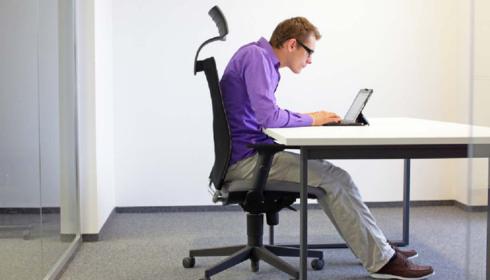
Desk job ka biggest hidden side-effect hai sitting time. Chahe tum daily 1 ghanta gym bhi jao, agar baaki 10–12 ghanta mostly chair pe ho, to body ke sugar aur fat handling systems pe slow damage ho sakta hai.

Long sitting se muscles “sleep mode” me chale jaate hain. Glucose uptake slow ho jata hai, blood sugar aur triglycerides thoda upar shift ho sakte hain. Over months–years, ye pattern weight gain, insulin resistance, diabetes aur heart disease risk contribute kar sakta hai.

Step one: total sitting awareness. Har 30–60 minutes me micro-break ka aim rakho – 1–3 minute ke liye khade ho, thoda walk, stretch, ya simple calf raises. Itna small break bhi muscles ko woke-up signal deta hai.

Standing desk, walking meetings, phone calls ke time halke stroll – ye sab thode creative hacks hain. Lunch ke baad short walk digestion aur sugar control dono me help karti hai.

Yeh sab “gym ke replacement” nahi, gym ke support system hai. Thoda har ghante movement + daily dedicated exercise = metabolic health ke liye bohot better combo hai, compared to sirf ek hi cheez pe rely karna.

Frequent Head Colds: Lifestyle and Hygiene Habits That Reduce Your Risk

0

Har kuch hafton me sardi, blocked nose, halka fever – kuch logon ka ye regular story ban jata hai. Immune system weak hi hoga, aisa assume karne se pehle daily habits pe ek nazar daalna useful hota hai.

Basic hygiene: hands ko regular wash karna (especially public transport, office surfaces, washroom use ke baad), face ko random touch kam karna, aur tissues/handkerchief share na karna simple but effective steps hain. Cold ka virus mostly contact aur droplets se travel karta hai.

Sleep aur stress directly body ki defence ko affect karte hain. Late nights + constant worry combo se infections pakadna easy ho jata hai. Thodi consistent neend, short breaks, breathing exercises jaisi cheezein immune system ko support kar sakti hain.

Crowded, poorly ventilated rooms me lambe time tak rehna, aur phir seedha chilled AC blast lena bhi problem create kar sakta hai. Window kholna, thoda fresh air, aur weather ke according layering adjust karna basic par helpful hacks hain.

Of course, agar cold har baar severe sinus infection me convert ho raha ho, fever high ho, ya breathing difficulty ho, to ENT/physician se proper evaluation karaana wise hai. But saath me lifestyle tweaks karoge to future episodes ki frequency kam ho sakti hai.

Office Snacks and Health: Smart Swaps for Biscuits, Namkeen and Sweets at Work

0

Office drawers me usually kya milta hai? Biscuits, namkeen packets, toffees, kuch leftover mithai. Meetings, boredom, ya stress ke time ye sab quickly khatam ho jata hai – aur pata bhi nahi chalta ki kitni extra calories andar chali gayi.

First step awareness hai. Har mid-morning/evening craving pe automatic biscuit pakadna band karo. Thoda pause leke socho: kya mujhe actually bhook hai, ya sirf habit/stress hai? Actual bhook ho to better options ready rakhna easy ho jata hai.

Smart swaps:

  • Plain nuts + seeds (small handful, zyada nahi).
  • Roasted chana / makhana.
  • Fruit (banana, apple, orange – jo carry karna easy lage).
  • Homemade trail mix with minimal added sugar.
  • Dahi or buttermilk (agar office fridge available ho).

Tea/coffee ke saath har baar 2–3 biscuits ki jagah 1 simple biscuit ya unsweetened snack ka option choose karo. Flavoured, sugary drinks ko gradually plain water ya infused water se replace kar sakte ho.

Aim perfect clean eating nahi; aim ye hai ke daily mindless snacking ka damage kam ho. Small, sustainable tweaks – jo tum months tak rakh pao – body composition aur energy pe slow but sure impact daalte hain.

Breathing Patterns for Strength Training: Safe Techniques During Heavy Lifts

0

Heavy lift ke time log aksar saans rok lete hain – face lal, neck tight, veins pop. Kabhi advanced lifters controlled breath-hold use karte hain, but beginners ke liye yeh BP spike aur dizziness ka source ban sakta hai.

Basic rule: effort phase pe exhale. Jab tum hardest part kar rahe ho, tab saans bahar. For example:

  • Squat: niche jaate waqt inhale, upar push karte waqt exhale.
  • Bench press: bar neeche laate waqt inhale, upar push pe exhale.
  • Row: pulling movement pe exhale, letting weight go back pe inhale.

Isse core engaged rehta hai, lekin pressure uncontrollably high nahi jata. Controlled breathing body ko oxygen bhi smoothly supply karti hai, jo stamina aur focus ke liye helpful hai.

Very heavy singles ya powerlifting-style training me kabhi-kabhi short breath hold (Valsalva) coached hota hai, but wo scenario trained guidance ke under hi safe hota hai – especially agar BP ya heart issues ka doubt ho.

Agar tum headset, counting, ya ego me saans completely ignore kar rahe ho, to training ka ek crucial element miss ho raha hai. Thoda conscious practice initially slow lag sakta hai, lekin jaldi hi natural feel hone lagta hai.