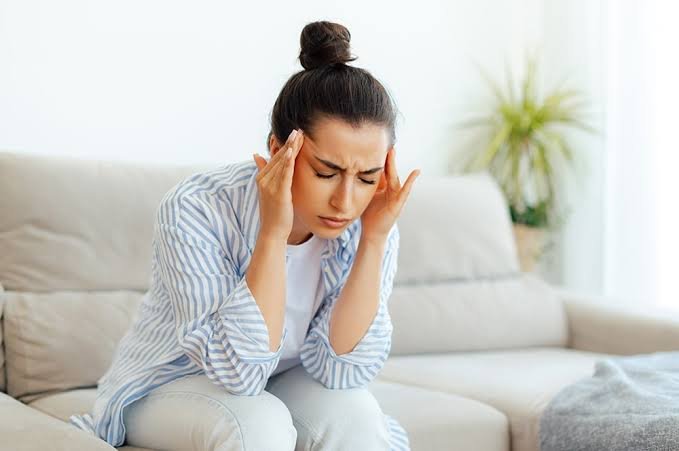
Headaches are among the most common symptoms for which people seek medical attention – and among the most frequently misattributed. While tension headaches and migraines are widely recognised, a significant proportion of recurrent headaches have their origin not in the head at all, but in the cervical spine.
Cervicogenic headaches – headaches arising from neck structures – are generated by irritation of the upper cervical nerve roots, facet joints, or surrounding musculature. They are frequently misidentified as tension headaches or migraines, leading to treatment that addresses the symptom without touching the source. Understanding the neck-headache connection is the first step toward finally resolving headaches that conventional approaches have repeatedly failed to control.
How the Cervical Spine Generates Head Pain
The anatomical basis of cervicogenic headaches lies in the convergence of upper cervical nerve inputs with the trigeminal nerve – the main sensory nerve of the face and head. The upper cervical nerve roots (C1, C2, C3) relay through pathways that overlap with those of the trigeminal system in an area of the brainstem called the trigeminocervical nucleus.
When the upper cervical spine is irritated – from facet joint inflammation, muscle tension, disc changes, or nerve root compression – signals travel through these shared pathways and the brain interprets them as head pain. This is referred pain: the headache is real, but its generator is in the neck rather than in the head itself.
This explains why cervicogenic headaches are often accompanied by neck stiffness, tenderness of the upper cervical muscles, and restricted head rotation. It also explains why treating only the head – with pain medication, for example – provides only temporary relief: the cervical source continues to generate the referred signals regardless of what is applied upstream.
Cervical Spondylosis as a Headache Generator
Cervical spondylosis – the degenerative disc and facet joint changes that accumulate in the neck over time – is one of the most common structural generators of cervicogenic headaches. As cervical discs lose height and the facet joints develop arthritic changes, the upper cervical structures are subjected to altered mechanics and inflammation that persistently irritate the nerve pathways involved in head pain.
Symptoms that suggest cervical spondylosis as a headache contributor include:
- Headache that originates or worsens with sustained neck positions – particularly prolonged desk work or screen use
- One-sided head pain that corresponds to the side of greater neck stiffness or restriction
- Headache accompanied by tenderness at the base of the skull or along the upper cervical muscles
- Head pain that is reproduced or worsened by rotating, flexing, or extending the neck
- Headaches that are more frequent after periods of intensive screen use or prolonged driving
Why Medication Alone Keeps Failing
The challenge with cervicogenic headaches managed purely through medication is that the treatment creates no lasting change in the cervical structures generating the pain. Pain relief medication reduces the experience of the headache temporarily, but the same cervical irritation – the same spondylotic changes, the same muscular tension, the same facet joint inflammation – is still present when the medication clears.
For people who have been managing recurrent headaches with regular analgesic use, this pattern often progresses to medication overuse headache – a phenomenon where the frequent use of pain relief itself begins to generate rebound headaches, creating a secondary layer of head pain that compounds the original cervical problem.
Non-Surgical Treatment That Addresses the Cervical Source
Effective treatment for cervicogenic headaches requires interventions that reduce the cervical spine’s structural and mechanical irritation.
Non-Surgical Cervical Spinal Decompression reduces the disc and nerve pressure in the cervical segments that are generating the referred head pain. As the compressive load on the upper cervical nerve roots decreases and the spondylotic changes are managed, the frequency and intensity of headaches typically reduces in parallel with the improvement in neck symptoms.
Targeted manual therapy and joint mobilisation address the facet joint restrictions and muscular guarding that contribute to upper cervical irritation. Deep cervical flexor strengthening corrects the muscular imbalance that maintains excessive loading on the posterior cervical structures.
At ANSSI Wellness, Neck Pain Treatment addresses both the cervical spine symptoms and the associated headache pattern as a unified clinical presentation. The treatment plan is designed around the specific cervical levels involved and the patient’s individual pattern of head pain.
Conclusion
For anyone experiencing frequent headaches alongside neck stiffness, restricted head movement, or worsening pain after screen use, the cervical spine is the place to look for answers. Treating the neck – structurally and mechanically – often achieves the headache relief that years of symptom management through medication has failed to provide.