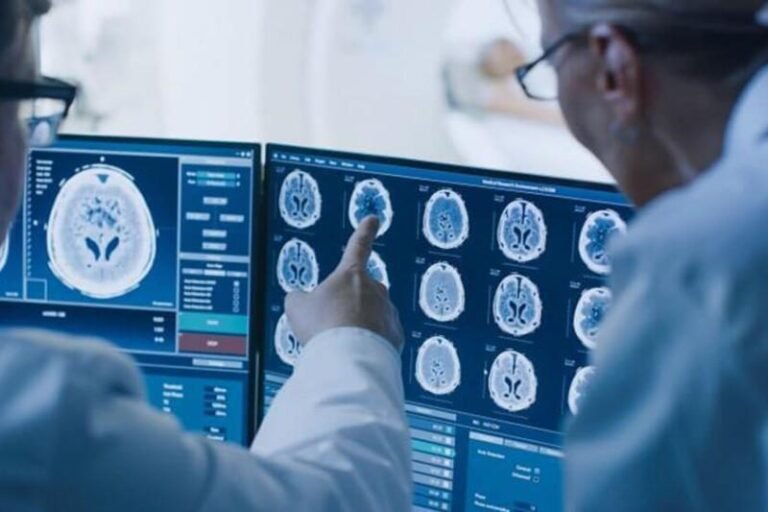
Medical imaging plays an important role in helping doctors understand injuries, diseases, and other health conditions. As healthcare facilities handle more patients, imaging systems need to deliver clear results while supporting efficient workflows. A modern radiography machine can help healthcare professionals capture diagnostic images quickly and consistently.
Advances in imaging technology have also introduced more flexible solutions for different clinical environments. From fixed imaging rooms to bedside examinations, healthcare providers can choose systems based on their workflow, patient needs, and available space.
Understanding the Role of a Radiography Machine
A radiography machine uses X-rays to create images of structures inside the body. These images can support the evaluation of bones, the chest, and several other anatomical areas. Modern systems are designed with improved image acquisition and processing capabilities, helping radiographers obtain useful images efficiently.
Image quality is particularly important because clear images can help reduce unnecessary repeat examinations. Fewer retakes can contribute to a smoother workflow and may also help limit additional radiation exposure. Advanced image processing can further improve the presentation of anatomical details by balancing brightness, contrast, and image noise.
Where Mobile Radiography Makes a Difference
Not every patient can easily travel to a dedicated imaging room. This is where mobile radiography can provide an important advantage. Mobile systems can be moved to locations such as intensive care units, emergency departments, operating rooms, and patient wards.
The flexibility of mobile radiography allows imaging to take place closer to the patient. This can be especially useful for patients who are critically ill, recovering from surgery, or unable to move safely. A portable workflow can also help healthcare teams save time by reducing the need to transport patients between departments.
The Continued Value of Computed Radiography
While digital radiography has become increasingly common, computed radiography continues to have a role in healthcare environments that use imaging plates and established X-ray infrastructure. The technology uses imaging plates to capture X-ray information, which is then processed digitally for viewing and storage.
For facilities working with existing equipment, computed radiography can provide a practical way to support digital imaging workflows without requiring an immediate transition to a completely new setup. It can also be useful where equipment compatibility, budget, or infrastructure requirements influence purchasing decisions.
Choosing Technology Around Clinical Needs
Selecting a radiography machine should involve more than comparing technical specifications. Healthcare providers should consider patient volume, available space, workflow requirements, image quality, ease of use, maintenance, and integration with existing systems.
For facilities that require greater flexibility, mobile radiography may be an important consideration. Similarly, computed radiography can remain relevant where existing infrastructure supports its use. The right approach depends on how imaging technology fits into the wider clinical workflow.
Conclusion
Healthcare providers need imaging solutions that combine dependable performance, efficient workflows, and practical flexibility. With experience across digital imaging, mobile solutions, computed radiography, image processing, and related technologies, a specialist imaging provider can support facilities in adapting their radiology workflows to changing clinical needs. For more information about advanced solutions for diagnostic imaging, explore this specialist radiology technology portfolio.