Radiology departments handle a large number of examinations every day. From emergency rooms to outpatient clinics, medical teams need imaging systems that can support quick examinations without making the workflow complicated. Modern digital imaging has changed how X-ray examinations are captured, reviewed, stored, and shared.
A digital detector plays an important role in this process. Instead of relying on traditional film-based image capture, digital detectors convert X-ray information into electronic images that can be viewed on a workstation. This can help radiographers work more efficiently and make images available to clinicians sooner.
The Role of a Digital Detector
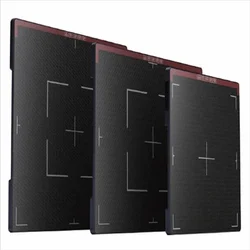
A digital detector is designed to capture X-ray images electronically. Once an exposure is completed, the image can be processed and displayed digitally. This supports a more streamlined workflow because healthcare professionals can review images without waiting for conventional film processing.
Modern detector technology can also support different radiography applications. In busy departments, features such as detector portability, durability, image quality, and workflow compatibility are important when choosing equipment.
For facilities using mobile X-ray systems, a suitable digital detector can be especially useful. It allows imaging to be performed closer to the patient, which can be important when moving the patient to a radiology room is difficult.
Understanding Mobile Radiography
Mobile radiography is commonly used when patients cannot easily be transported. It can be useful in intensive care units, emergency areas, recovery rooms, operating theatres, and other clinical environments.
The main advantage of mobile radiography is flexibility. Radiographers can bring the imaging equipment directly to the patient’s location. When combined with a digital workflow, images can be processed and reviewed without the need to move the patient unnecessarily.
For hospitals managing demanding workloads, mobile radiography can also help improve the use of available clinical space. However, effective training, infection control, radiation safety, equipment maintenance, and proper positioning remain essential.
Where DRYSTAR 5302 Fits In
Digital radiography does not always remove the need for physical copies of medical images. Some healthcare facilities and clinical situations still require diagnostic hardcopy. This is where systems such as DRYSTAR 5302 can support the imaging workflow.
The DRYSTAR 5302 is a compact dry imaging printer designed for producing medical images on dry film. Its direct digital imaging technology is intended to provide consistent image quality while avoiding traditional wet chemical processing. It also supports multiple media formats, making it suitable for different radiology requirements.
Conclusion
Efficient radiology depends on more than image capture alone. Reliable equipment, practical workflows, trained staff, and appropriate image management all contribute to effective patient care. Combining a digital detector, DRYSTAR 5302, and mobile radiography within a well-planned workflow can help healthcare facilities balance speed, flexibility, and image accessibility.
The organisation behind these imaging solutions focuses on diagnostic imaging technologies designed around productivity, image quality, workflow efficiency, and practical healthcare requirements. Its portfolio covers digital radiography, imaging detectors, dry imaging, and connected radiology solutions, giving healthcare providers options for building workflows suited to different clinical environments.