As people grow older, simple activities such as walking to the kitchen, going outdoors, or using stairs can sometimes become difficult. Reduced balance, weaker muscles, joint discomfort, or recovery after an injury may affect everyday movement. Choosing suitable mobility aids for the elderly can provide additional support and help make daily activities more comfortable.
Understanding Different Mobility Needs
Before choosing a mobility aid, it is useful to understand what kind of support is required. Someone who needs occasional support while walking may need a different product from a person who has difficulty maintaining balance.
A healthcare professional can help assess walking ability and recommend an appropriate aid. The height, grip, weight, stability, and ease of use should also be considered before making a choice.
When Is a Walker Useful?
A walker can be helpful for elderly individuals who require greater stability while walking. It generally provides support through multiple contact points with the ground, making it useful for people who feel unsteady or are recovering from certain injuries. A walker may be suitable for use at home, during short outdoor walks, or while completing routine activities. Users should ensure that the walker is adjusted to the correct height.
Choosing a Walking Stick
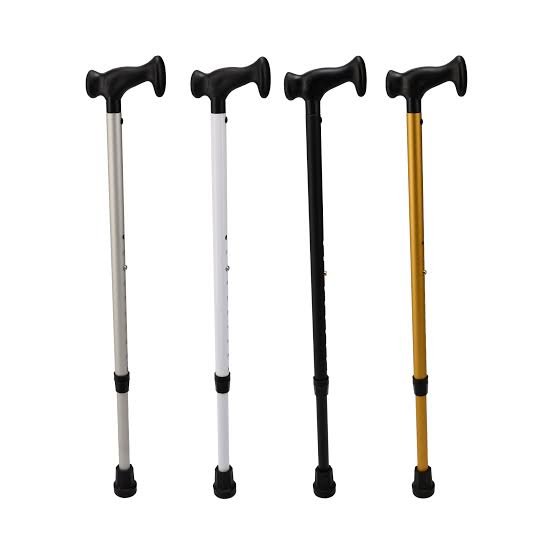
A walking stick is another commonly used option among mobility aids for the elderly. It can provide additional balance and support during everyday movement without being as large as a walker.
A walking stick should have a comfortable handle and a stable base. The correct height is important because an incorrectly adjusted stick may make walking uncomfortable. It should also be used on suitable surfaces and checked regularly for signs of wear.
Benefits of a Walking Stick With LED Light
For older adults who move around in low-light areas, a walking stick with LED light can offer an added practical feature. The light can help improve visibility around the user’s immediate walking area, especially during evening movement or when navigating dimly lit spaces.
A walking stick with LED light combines walking support with a useful visibility feature. When choosing one, users should consider the brightness of the light, grip comfort, overall weight, and battery requirements.
Safety Tips for Daily Use
Using mobility aids for the elderly correctly is just as important as choosing the right product. Keep pathways clear of loose rugs, wires, and clutter. Check rubber tips, handles, wheels, and other components regularly. Whether using a walker, walking stick, or walking stick with LED light, users should avoid rushing and maintain a comfortable pace.
Making Everyday Movement More Comfortable
The right mobility aid can support greater confidence during everyday activities. A walker may offer greater stability, while a walking stick can provide lighter support. A walking stick with LED light may be useful when visibility is an additional concern.
An experienced healthcare mobility brand focuses on developing practical mobility solutions designed around everyday comfort, stability, ease of use, and changing mobility needs. Its range aims to support older adults and individuals requiring walking assistance through thoughtfully designed products that fit naturally into daily routines.