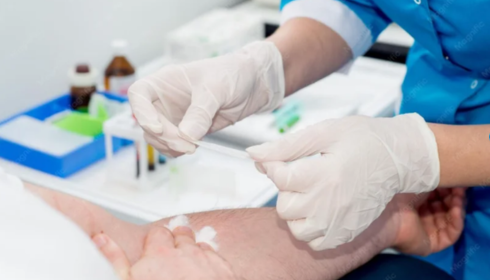
Wound management plays a critical role in modern healthcare because proper wound closure directly affects healing, infection prevention, and patient recovery. Advances in medical technology have transformed the way healthcare professionals manage surgical incisions, traumatic injuries, and chronic wounds. Today, robotic-assisted surgery technologies include a wide range of products and technologies designed to improve tissue healing while supporting surgical efficiency and patient safety.
Hospitals, surgical centers, emergency departments, and outpatient clinics rely on advanced wound closure systems for both routine and complex medical procedures. As minimally invasive surgery and advanced healthcare techniques continue expanding, demand for innovative closure technologies is increasing across healthcare systems worldwide.
Modern wound closure products are designed to provide secure tissue approximation, reduce complications, and improve cosmetic outcomes while supporting faster recovery for patients.
Understanding Wound Closure Technology
Wound closure refers to the process of bringing tissue edges together after surgery or injury to support healing and protect the body from infection. Healthcare providers use different closure methods depending on the wound type, tissue condition, and clinical requirements.
Traditional sutures remain one of the most widely used wound closure methods in medicine. Surgical sutures are available in absorbable and nonabsorbable materials and are used across many specialties for internal and external tissue repair.
Stapling systems are another important category within wound closure technology. Surgical staplers allow healthcare professionals to close wounds quickly and consistently during procedures involving the skin, gastrointestinal tract, lungs, and other tissues.
Adhesive based closure products such as surgical glues and skin adhesives provide additional options for selected wound types and minimally invasive procedures. Advanced wound strips and sealants are also commonly used in outpatient and emergency care settings.
A comprehensive range of closure technologies allows healthcare providers to select the most appropriate solution for each clinical situation.
Importance in Surgical Procedures
Wound closure is one of the final and most important stages of surgery. Proper tissue closure helps maintain healing conditions, reduce infection risk, and support long term surgical outcomes.
Modern closure technologies improve surgical efficiency by reducing procedure time and providing reliable tissue approximation. Surgical staplers and advanced suturing devices allow surgeons to close tissue more consistently during complex operations.
Minimally invasive procedures also depend heavily on specialized wound closure products designed for smaller incisions and delicate tissue management. These technologies support faster patient recovery and improved cosmetic results.
Advanced closure systems are particularly important in procedures involving high tension tissues or internal organ reconnection where secure sealing is essential for patient safety.
Benefits for Patients and Healthcare Providers
One of the primary benefits of modern wound closure technology is improved healing support. Secure tissue approximation helps wounds heal more effectively while reducing the risk of separation or leakage.
Patients often experience reduced scarring and faster recovery when advanced closure methods are used appropriately. Smaller incisions and minimally invasive closure techniques can improve cosmetic outcomes and patient comfort.
Infection prevention is another critical advantage. Proper wound closure creates a protective barrier that helps reduce bacterial exposure and supports safer healing conditions.
Healthcare providers benefit from improved surgical workflow and procedural efficiency. Stapling systems and advanced closure devices can significantly reduce operating time compared to some traditional closure methods.
Modern closure technologies also provide greater consistency and reliability during high volume surgical procedures across hospitals and healthcare facilities.
Types of Wound Closure Solutions
The wound closure market includes several important product categories designed for different medical applications. Sutures remain essential tools for internal tissue repair and skin closure in many surgical specialties.
Surgical staplers are widely used in general surgery, thoracic procedures, bariatric surgery, and minimally invasive operations because they provide rapid and consistent closure.
Topical skin adhesives and tissue sealants are becoming increasingly popular for selected external wound closures and cosmetic procedures. These products can reduce procedure time while improving patient comfort.
Mechanical closure strips are commonly used for smaller wounds and low tension incisions. They offer noninvasive closure support without the need for sutures or staples.
Hemostatic agents and advanced sealants are also important components of modern wound management because they help control bleeding and reinforce tissue closure during surgery.
Role in Minimally Invasive Surgery
Minimally invasive surgery has become a major focus in healthcare because it improves patient recovery and reduces surgical trauma. Advanced wound closure technologies are essential for supporting these procedures effectively.
Smaller incisions used in laparoscopic and robotic surgery require precise closure methods that minimize tissue stress while maintaining healing strength. Specialized sutures, staplers, and adhesive systems are designed specifically for minimally invasive applications.
Robotic assisted surgery has further increased demand for advanced closure devices compatible with robotic surgical platforms. These technologies allow surgeons to perform highly controlled tissue management within confined anatomical spaces.
The continued growth of minimally invasive procedures is expected to drive ongoing innovation within the wound closure industry.
Technological Advancements Driving Innovation
Medical technology companies continue investing heavily in wound closure research and development. Modern products focus on improving healing performance, reducing infection risk, and enhancing ease of use for healthcare providers.
Absorbable materials and antimicrobial coatings are becoming increasingly common in advanced sutures and closure devices. These innovations help support healing while reducing the need for device removal in some cases.
Smart wound management technologies may also influence future healthcare solutions. Researchers are exploring advanced materials and digital monitoring systems that could track wound healing progress and identify complications earlier.
Improved ergonomic designs and automated closure systems are helping surgeons perform procedures more efficiently and comfortably during complex operations.
Artificial intelligence and digital healthcare integration may eventually support more personalized wound management strategies based on patient specific healing conditions.
Applications Across Medical Specialties
Wound closure technologies are used across nearly every area of healthcare because of their essential role in surgery and trauma care. General surgery procedures rely heavily on sutures, staplers, and sealants for tissue closure.
Orthopedic surgery uses advanced closure systems during joint replacement and fracture repair procedures. Cardiovascular surgeries require highly secure tissue closure and vessel sealing technologies.
Plastic and cosmetic surgery often emphasize closure methods that minimize visible scarring and improve aesthetic outcomes. Emergency medicine and trauma care also depend on rapid wound closure solutions for injury management.
Gynecology, urology, thoracic surgery, and gastrointestinal procedures all use specialized wound closure products tailored to different tissue types and surgical requirements.
Future Outlook for Wound Closure Technology
The future of healthcare will likely involve more advanced, personalized, and minimally invasive wound management technologies. Medical companies are expected to continue developing smarter materials, automated closure systems, and biologically enhanced healing solutions.
Robotics, artificial intelligence, and digital healthcare integration may further improve surgical precision and postoperative recovery management. New closure technologies may help reduce complications while supporting faster and more comfortable healing for patients.
As healthcare systems worldwide continue modernizing, wound closure solutions will remain essential tools in surgery, emergency care, and patient recovery, helping improve clinical outcomes and advancing the future of modern healthcare.